Login

Use Facebook or an email

or

Forgot your password? Reset

Don't have account? Signup

Signup for free

Use Facebook or an email

or
By signing up you agree to the Terms & Conditions and Privacy & Policy

Reset password

Enter email to reset password

Already have account? Login
Don't have account? Signup
×

Facilities & Products

at Marrakech Date Palm Project

MDPP INFRASTRUCTURE

֍ Laboratory facility surface area : 850 m2 ; Doubleable,
֍ Growth chambers: Four (4) w/ each a capacity of 100,000 cultures ;
֍ Subculture stations: 9 Air Laminar Hoods (2 working stations each).


PRODUCTION CAPACITY

MDPP is aiming to produce 100,000 + plantlets annually with the perceived capacity to double our production within the next 5 years.


VARIETIES CULTIVARS MASS PROPAGATED

MDPP implements an annual program to introduce new selected date varieties and to re-introduce the existing cultivars in order to continuously make fresh cultures available and sustain a high level of Production.


VARITIES UNDER MULTIPLICATION

  • Medjhool
  • Boufeggous
  • Najda
  • Bousekri
  • Other date palm varieties of national & international interest.

Production Process

Following steps are key stages of production

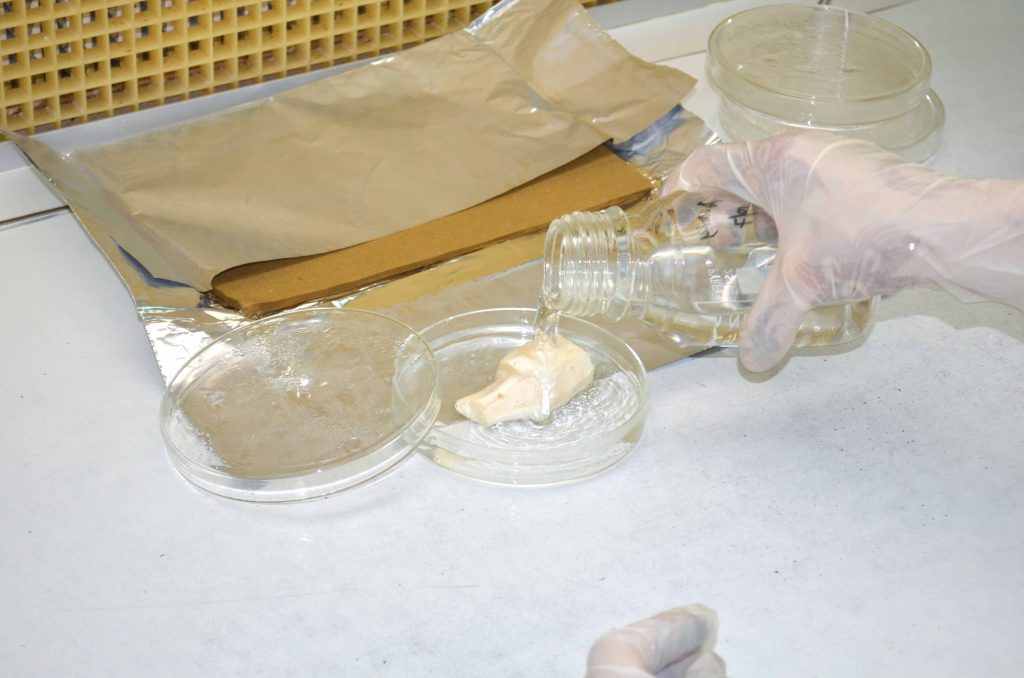
  • INTRODUCTION

    Meristematic tissue

    meristem is the tissue in most plants containing undifferentiated cells (meristematic cells), found in zones of the plant where growth can take place. Meristematic cells give rise to various organs of a plant and are responsible for growth.

    Differentiated plant cells generally cannot divide or produce cells of a different type. Meristematic cells are incompletely or not at all differentiated, and are capable of continued cellular division. Therefore, cell division in the meristem is required to provide new cells for expansion and differentiation of tissues and initiation of new organs, providing the basic structure of the plant body. Furthermore, the cells are small and protoplasm fills the cell completely. The vacuoles are extremely small. The cytoplasm does not contain differentiated plastids (chloroplasts or chromoplasts), although they are present in rudimentary form (proplastids). Meristematic cells are packed closely together without intercellular cavities. The cell wall is a very thin primary cell wall as well as some are thick in some plants.[citation needed] Maintenance of the cells requires a balance between two antagonistic processes: organ initiation and stem cell population renewal.[citation needed]
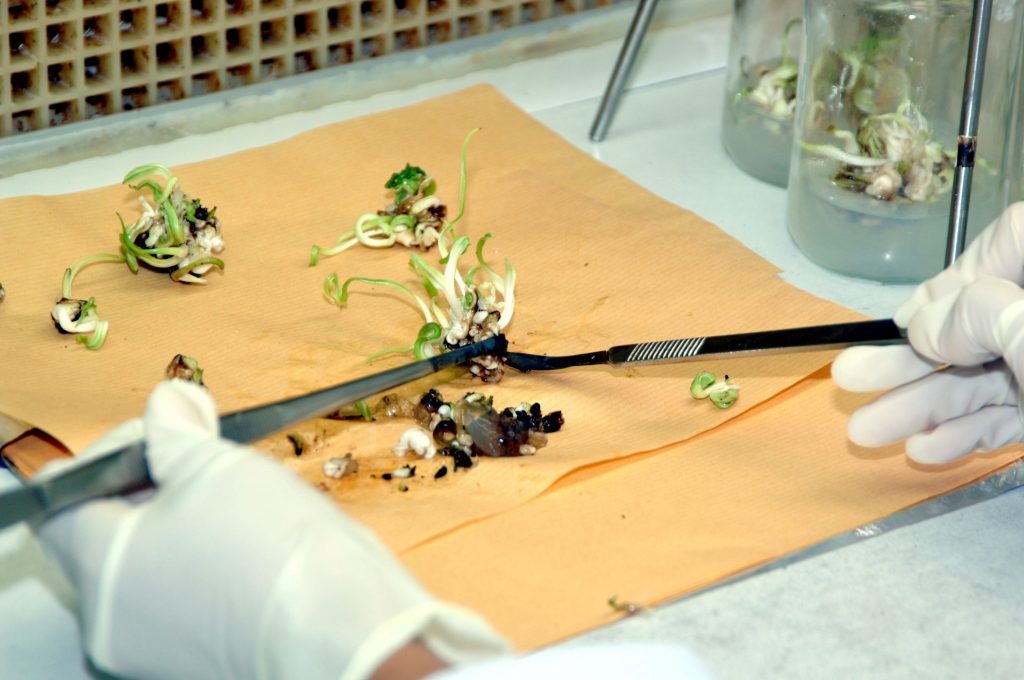
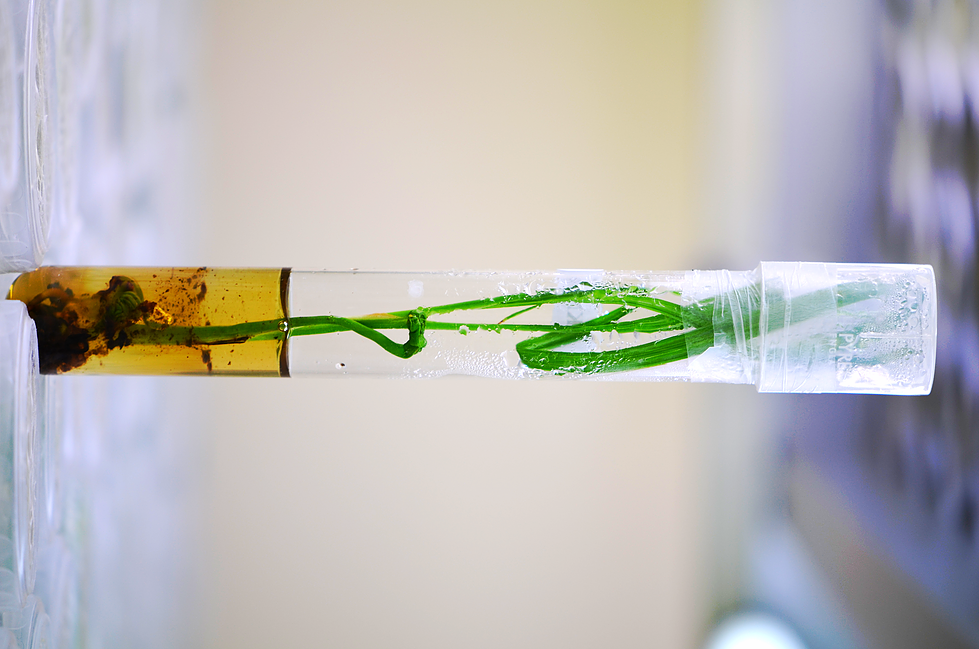
    There are three types of meristematic tissues: apical (at the tips), intercalary (in the middle) and lateral (at the sides). At the meristem summit, there is a small group of slowly dividing cells, which is commonly called the central zone. Cells of this zone have a stem cell function and are essential for meristem maintenance. The proliferation and growth rates at the meristem summit usually differ considerably from those at the periphery.

    Differentiated plant cells generally cannot divide or produce cells of a different type. Meristematic cells are incompletely or not at all differentiated, and are capable of continued cellular division. Therefore, cell division in the meristem is required to provide new cells for expansion and differentiation of tissues and initiation of new organs, providing the basic structure of the plant body. Furthermore, the cells are small and protoplasm fills the cell completely. The vacuoles are extremely small. The cytoplasm does not contain differentiated plastids (chloroplasts or chromoplasts), although they are present in rudimentary form (proplastids). Meristematic cells are packed closely together without intercellular cavities. The cell wall is a very thin primary cell wall as well as some are thick in some plants.[citation needed] Maintenance of the cells requires a balance between two antagonistic processes: organ initiation and stem cell population renewal.[citation needed]
  • MULTIPLE BUD FORMATION

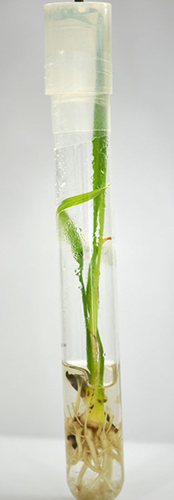
    Early events of multiple bud formation and shoot development in germinating soybean embryonic axes treated for 24 hr with the cytokinin, 6‐benzylaminopurine (BAP), were compared to the development of untreated control axes using four different techniques: photomicrography, scanning electron microscopy, histology, and autoradiography. Shoot apex development in BAP‐treated embryonic axes was delayed by about 9 to 15 hr. A transient inhibition of DNA synthesis in the primary apical meristem and axillary buds was observed with subsequent changes in the timing of cell division patterns in these regions. Meristematic regions (supernumerary vegetative buds) were observed in BAP‐treated axes around the perimeter of the apical dome at and above the level of the axillary buds. Cells elongated from some of the BAP‐induced meristematic regions to form four to six shoots.

    In the absence of BAP, excision of the primary apical meristem and/or axillary buds did not result in multiple bud formation. These results suggest that transient exposure to BAP interrupted chromosomal DNA replication and reprogrammed the developmental fate of a large number of cells in the shoot apex. We postulate that interruption of DNA synthesis, either directly, by interfering with DNA replication, or indirectly, by preventing entry into S‐phase, effected redetermination of the shoot apex cells.

  • ELONGATION

    The next step makes up the bulk of translation. It’s called elongation, and it’s the addition of amino acids by the formation of peptide bonds. Elongation is just what it sounds like: a chain of amino acids grows longer and longer as more amino acids are added on. This will eventually create the polypeptide.

    Now that we’ve begun with the start codon, the mRNA shifts a little through the ribosome so that the next codon is up for grabs. Let’s say the next codon is UAU. So, now we need a tRNA that has the matching anticodon, AUA. Oh, look! Here’s a tRNA with the right anticodon, and it’s brought along a tyrosine. Tyrosine is the amino acid that is specified by the codon UAU. The tRNA attaches to the mRNA in the ribosome and lines up tyrosine right next to the waiting methionine. A peptide bond forms between the two amino acids.

    Then, the first tRNA leaves everyone else behind and floats off to find more work to do. Poor methionine! Now it’s just drifting around like a lonely kite in the wind! That tRNA left methionine hanging by only one anchor: its peptide bond with tyrosine. The tyrosine is still attached to its own tRNA, which, in turn, is clinging to the mRNA inside the ribosome. Already we can see the beginnings of a polypeptide elongating outward.

  • ROOTING

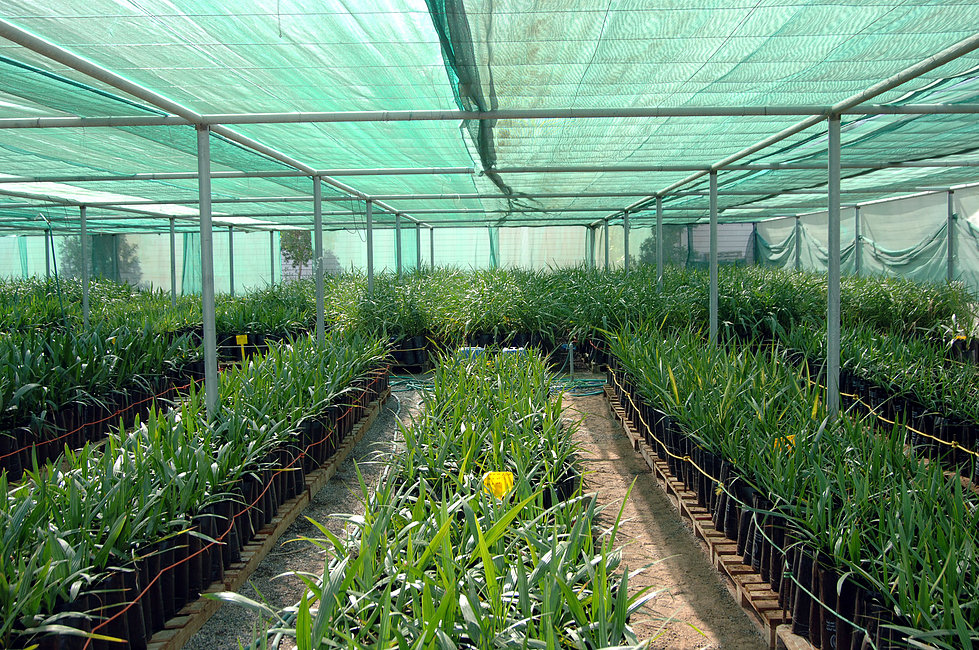
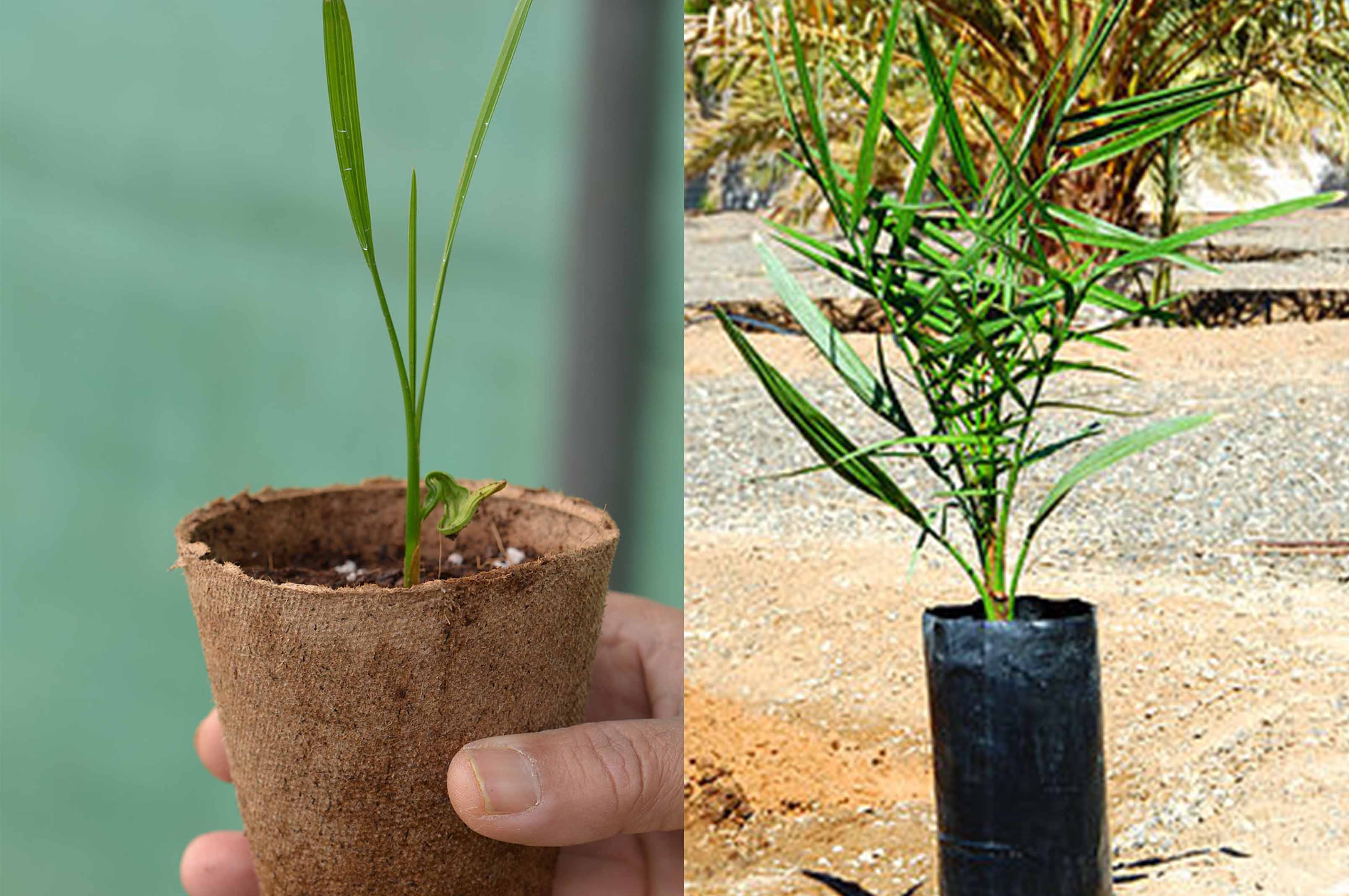
  • ACCLIMATIZATION & FIELD TRANSPLANTING

    The ultimate success of micropropagation on commercial scale depends on the ability to transfer plants out of culture on a large-scale, at low cost and with high survival rates. Tissue culture conditions that promote rapid growth and multiplication of shoots often result in the formation of structurally and physiologically abnormal plants. The tissue culture plants are often characterised by abnormal leaf morphology and anat0my’ poor photosynthetic efficiency, malfunctioning of  tomata and a marked decrease in epicuticular waxes. Qualitatively also, the waxes present on the surface of the leaves of ill vivo and ill vitro raised plants may vary. The heterotrophic mode of nutrition and poor mechanism to control water loss render micropropagated plants.

    vulnerable to the transplantation shocks. Although considerable efforts have been directed to optimise the conditions for the ill vitro stages of micropropagation, scant attention has been paid to understand the process of acclimatisation of micropropagated plants to the soil environment.

    Successful transplantation of plants to the field requires a sound knowledge of silvicultural practices generally employed in the nursery for the propagation of plants. Sometimes, there is a tendency to use small vials for initial stages of transplantation; this causes root curling. Such plants, if transplanted, may survive but often show drastic reduction in growth at later stages. Further, it should be realised that plant propagation via tissue culture differs from the onventional methods of propagation in several key aspects. Unlike nursery seedlings or cuttings, the tissue culture plants are raised under perfectly controlled conditions. Since, under ill vitro conditions, plantlets are grown under very high humidity and on a sucrose rich medium, they require gradual
    acclimatisation to the field conditions. The transfer of individual plantlets to potting mix and their acclimatisation under specified conditions of humidity, temperature and light requires special facilities and is, therefore, very expensive.